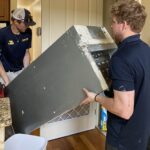
An electrical panel sized for a home from decades ago rarely keeps up with what a modern household actually demands. Whalen & Ives installs and upgrades electrical panels as part of our full electrical services throughout Bergen County and Northern New Jersey, sizing every panel to your home’s real electrical load rather than matching whatever was there before.
Signs Your Panel Needs an Upgrade
A panel upgrade is worth considering if any of the following apply to your home:
- Your panel still has fuses instead of circuit breakers
- You have a 60 or 100-amp panel and want to add central air, an EV charger, or a hot tub
- Breakers trip frequently, especially when running multiple appliances at once
- Your panel is original to a home built before the 1980s
- You’re planning a kitchen or bathroom remodel that will add significant electrical load
- You’ve been told by an inspector or insurance company that your panel doesn’t meet current standards
Why Bergen County Trusts Whalen & Ives for Panel Upgrades
Panel age and capacity vary widely across this area depending on when a neighborhood was built out. Homes in Teaneck and Tenafly that date to the mid-20th century frequently still carry their original 60-amp service, a capacity that was reasonable before central air and modern kitchens became standard but leaves almost no room for today’s typical household load. Newer construction in Montvale and Woodcliff Lake usually starts with 200-amp service already in place, but even these panels can reach capacity once a homeowner adds an EV charger, a pool, or a home addition that wasn’t part of the original electrical plan.
Because we hold the NJ Electrical License (#5733) directly, panel work is never split across subcontractors, our own licensed electricians handle load calculation, permitting, the physical panel swap, and the utility coordination required to safely disconnect and reconnect service. A panel upgrade also typically requires a permit and inspection, and we manage that process as part of the project rather than leaving you to coordinate with the town separately.
Understanding what your panel can and can’t support is the first step before any upgrade work begins.
What a Panel Upgrade Involves
A panel upgrade replaces your home’s main electrical panel with one that has greater amperage capacity, more breaker slots, or both. We start with a load calculation based on your home’s actual and planned electrical use, not just a guess based on square footage, then coordinate with your utility company to safely disconnect service during the panel swap. The new panel is installed to current code, which often means updated grounding and bonding that older panels never had, and we schedule the required town inspection as part of the project timeline rather than treating it as a separate step you have to manage.
100-Amp vs. 200-Amp Service: What’s Right for Your Home
Most homes built before the 1980s were wired for 60 or 100-amp service, which was standard at the time but leaves little room for modern electrical demand. A 200-amp panel is now the typical recommendation for most homes, providing enough capacity for central air, an electric range, a growing number of smart home devices, and future additions like an EV charger without requiring a second upgrade a few years later. Whether your specific home needs 200 amps or a different capacity depends on your actual planned usage, which is why load calculation happens before we recommend a specific panel size rather than defaulting to the same recommendation for every home.